
Porch Light Letters ·
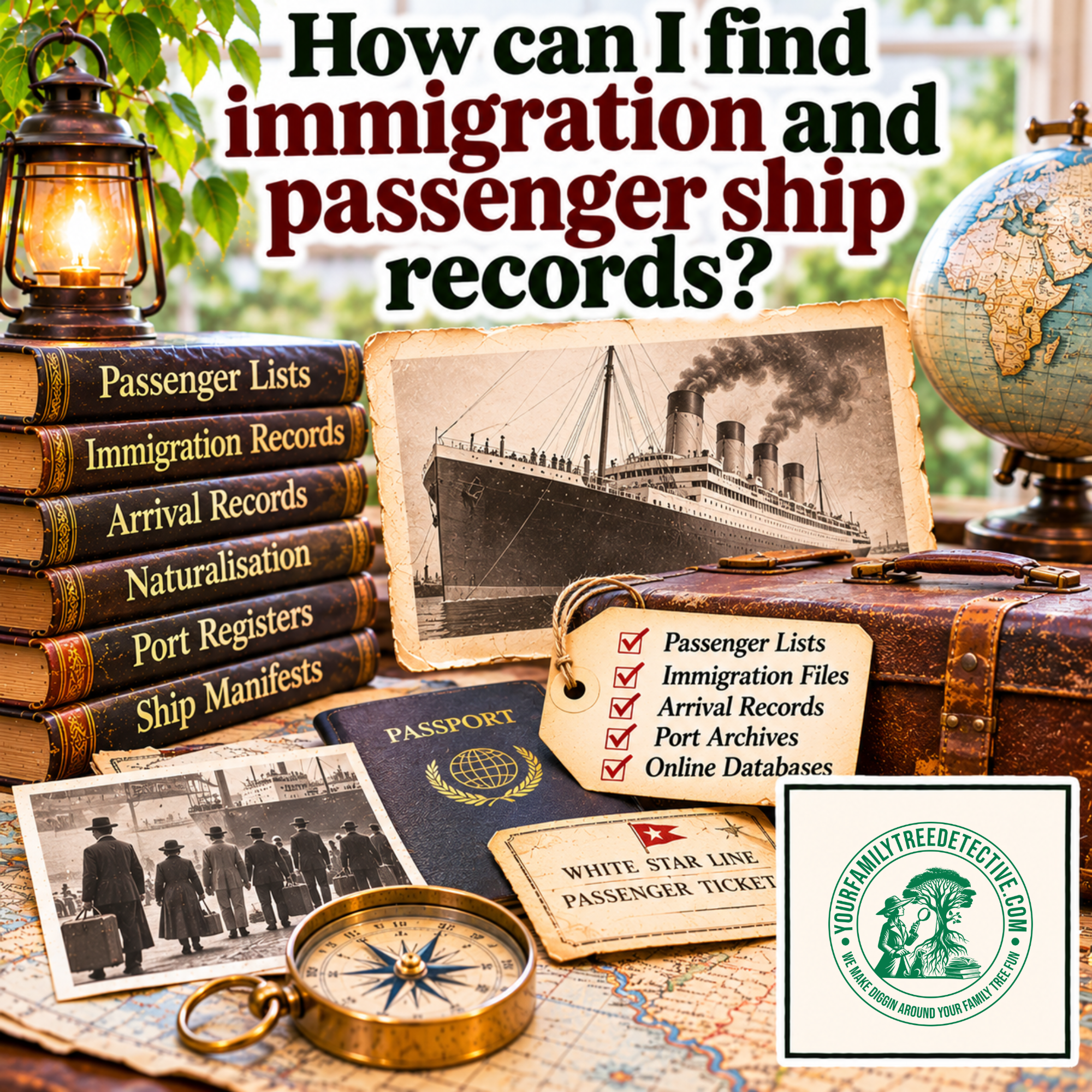
How Can I Find Immigration and Passenger Ship Records
Have you ever wondered what it must have been like for your ancestors to pack their belongings, say goodbye to everything familiar, and board a ship bound for a country they had never seen? Perhaps you've heard stories about a great-grandparent arriving in America, Australia, New Zealand, or Canada, but nobody remembers the name of the ship or exactly when they arrived. Imagine discovering the actual passenger list containing your ancestor's name, along with details about their age, occupation, travelling companions, and the journey that changed their family's future. So, where can you find immigration and passenger ship records, and how can these fascinating documents help you piece together the stories of your ancestors' journeys?
The first step in finding immigration records is to gather everything you already know about your ancestor's journey, including their name, approximate arrival date, country of origin, and destination. Talk with relatives, examine family letters and photographs, and search birth, marriage, death, census, and naturalisation records for clues about when and where your ancestor arrived. Remember that the year of immigration recorded in a census or other document may be approximate or incorrect, so consider searching several years before and after the date you've been given. If you know the port where your ancestor arrived, such as New York, Sydney, Auckland, or Wellington, you may be able to narrow your search to passenger lists and immigration collections associated with that location.
Several genealogy websites and historical archives provide access to passenger lists, immigration records, and other documents connected to international migration. FamilySearch, Ancestry, Findmypast, and MyHeritage offer searchable collections covering different countries and time periods, although some records require subscriptions or have viewing restrictions. For ancestors arriving in the United States, Ellis Island and the National Archives can be useful starting points, while Archives New Zealand, the National Archives of Australia, Library and Archives Canada, and The National Archives in the United Kingdom hold important migration-related collections. Don't overlook local libraries, maritime museums, historical newspapers, and regional archives, because some passenger lists and shipping records have never been digitised or indexed by the major genealogy websites.
Passenger lists can reveal much more than the names of people travelling aboard a particular ship, although the information recorded varies considerably depending on the country, shipping company, and historical period. Some records include passengers' ages, occupations, marital status, nationalities, birthplaces, previous residences, intended destinations, travelling companions, and occasionally the names of relatives they were leaving behind or joining overseas. If you discover the name of a ship, investigate its history, departure and arrival dates, voyage route, and contemporary newspaper reports to gain a better understanding of the journey your ancestor experienced. Remember to search for alternative name spellings, maiden names, initials, and transcription errors, and consider that your ancestor may have travelled through an unexpected port or arrived in stages rather than completing their journey on a single ship.
Finding an ancestor's immigration record can be an exciting breakthrough, but sometimes the search requires patience, creativity, and a willingness to explore several different sources. Not every passenger list has survived, some travellers were recorded under unexpected names, and certain historical migrations were documented differently or not recorded in surviving passenger lists at all. When a passenger list cannot be found, investigate naturalisation files, passports, immigration applications, shipping advertisements, newspapers, employment records, and family correspondence, which may provide alternative evidence of an ancestor's arrival or departure. Most importantly, remember that behind every passenger's name was a real person making a significant journey, and understanding why they travelled, what they experienced, and where they eventually settled can bring an extraordinary new dimension to your family history.
Today's Family Tree Challenge: Choose one ancestor who migrated to another country and write down everything you know about their journey, including possible dates, locations, and travelling companions. Search a relevant genealogy website or national archive for a passenger list, immigration record, or naturalisation document connected to that person. If you discover a possible match, examine the original record where available and compare the details with other evidence before deciding whether it belongs to your ancestor. Record your findings, identify one unanswered question about their journey, and investigate whether a historical newspaper or shipping record could reveal more about the voyage.
Let us know in the comments below about the stories you uncover.
Podcast Replay: https://youtube.com/live/7QkPI-QY-u0?feature=share
Book a FREE 15-minute Discovery Call. Link in my profile.
Ready to uncover your own family story?