Porch Light Letters ·
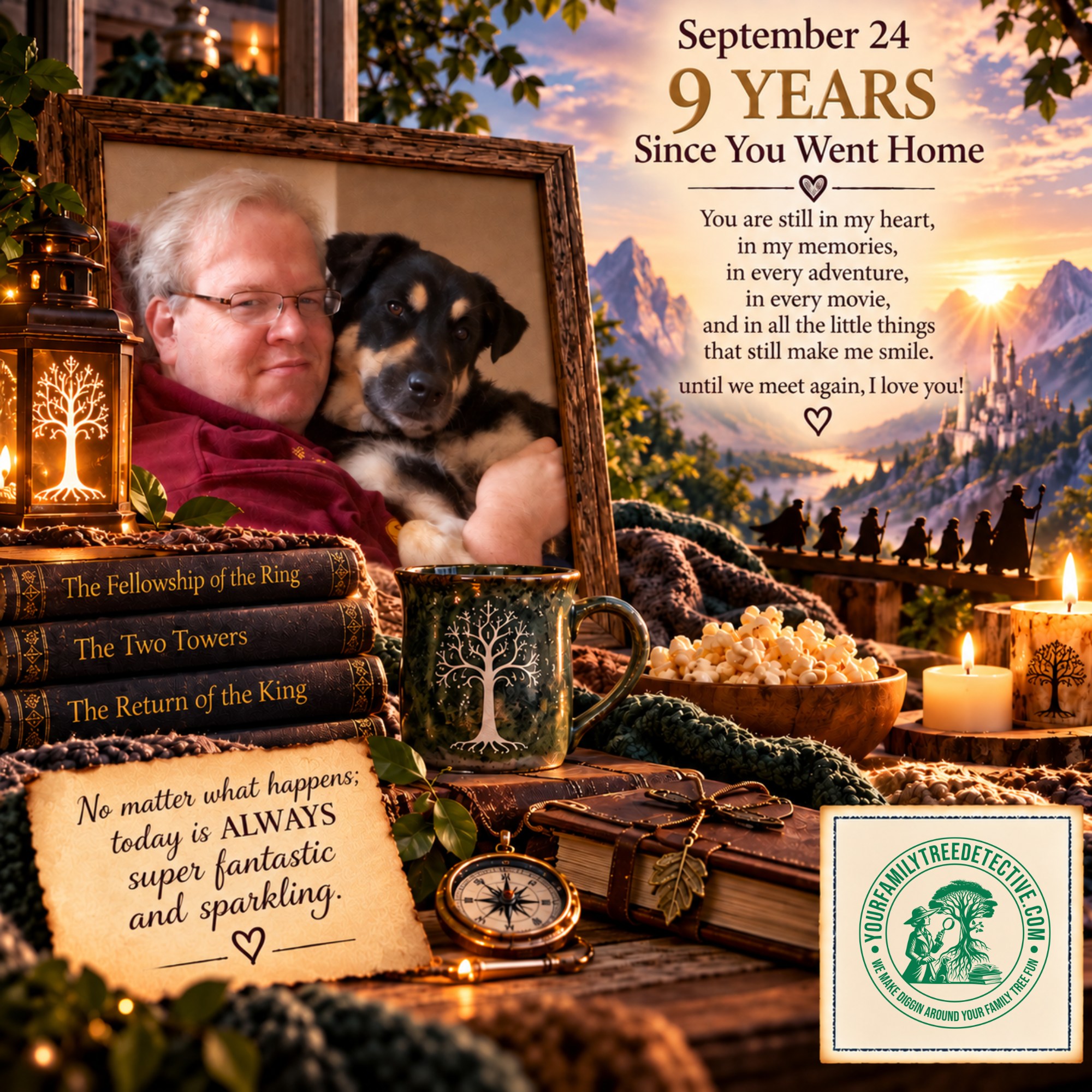
Where Was Your Family When… A Spouse Passed
Losing a spouse can divide a life into two distinct chapters: the life they shared together and the life the surviving spouse had to learn to live without them. For family historians, a death certificate may give us a date and place, but it rarely tells us what happened to the person who was left behind.
Where was your ancestor when their spouse passed? Were they sitting beside them at home or in a hospital? Did the death come after a long illness, or was it completely unexpected? Perhaps they were separated by work, military service, migration, or distance when the news arrived. The circumstances surrounding that day may have remained part of the family's story for generations.
Think about how long they had been together. Were they newlyweds with plans still ahead of them, or had they shared fifty or sixty years together? Did they have young children still at home? Were their children already grown with families of their own? The stage of life they were in when their spouse died could completely change what happened next.
For many widows and widowers, grief arrived alongside immediate practical responsibilities. Someone still had to earn an income, raise the children, run the farm or family business, pay the bills, maintain the home, and make decisions that had previously been shared between two people. Understanding those responsibilities can help us appreciate what the surviving spouse faced.
Look at what changed after the death. Did they remain in the family home or move somewhere smaller? Did they move in with a son or daughter? Did relatives come to live with them? Did they take a job for the first time, return to work, sell property, or take over responsibilities previously handled by their spouse?
If there were children, explore how their lives changed too. An older child may suddenly have taken on adult responsibilities. Children might have left school to work, helped raise younger siblings, moved in with relatives, or watched the surviving parent struggle to keep the family together. One death could alter the direction of several lives at once.
Financial records can reveal another part of the story. Wills, probate files, property records, pension applications, insurance policies, military records, bank documents, and newspaper notices may show what resources were available to the surviving spouse. Sometimes these records reveal debts, property disputes, guardianship arrangements, or decisions that were never mentioned in family stories.
Then look for the personal pieces. Letters, diaries, photographs, sympathy cards, funeral programmes, newspaper notices, memorial books, jewellery, handwritten notes, and treasured possessions can tell us something official records cannot. They can show us how someone was remembered and what remained important to the person who loved them.
Pay attention to photographs taken after the spouse died. Who appears beside the surviving spouse? Which relatives became particularly close? Are there changes in where they lived or how family gatherings looked? Sometimes photographs quietly document the new support system that formed around someone after a loss.
Did the surviving spouse ever remarry? Some did within a short time, particularly when young children needed care or when running a household alone was extremely difficult. Others never remarried, even when they lived for decades after their spouse's death. Neither choice tells us how deeply someone loved or grieved. It simply becomes another part of their individual story.
Oral history is especially valuable here. Ask relatives what they remember hearing about the couple. How did they meet? What was their marriage like? What did the surviving spouse say about the person they lost? Did they continue traditions they had shared? Was there a particular photograph, piece of jewellery, song, place, saying, or anniversary that remained important for the rest of their life?
Today's Family Tree Challenge: Choose an ancestor who lost a spouse and research what happened next. How long had they been married? Where were they living? Who was still at home? What changed financially, emotionally, or practically? Did they move, work, remarry, or remain in the family home? Look beyond the death record and follow the surviving spouse through census records, electoral rolls, directories, newspapers, probate records, photographs, letters, and family stories.
When we record a marriage, we usually record when two lives came together. When one spouse dies, there is another story worth preserving: how the person left behind carried their shared memories forward while somehow learning to continue their own journey.
Let us know in the comments below about the stories you uncover.
Podcast Replay: https://youtube.com/live/g9lQGqOwy2c?feature=share
No Matter What Happens Music Video: https://youtu.be/ZNYv5Sbl9_o?si=L1rkCWug-y6dGbyU
Ready to uncover your own family story?