
Porch Light Letters ·
Where Was Your Family When… Their Home Was Flooded
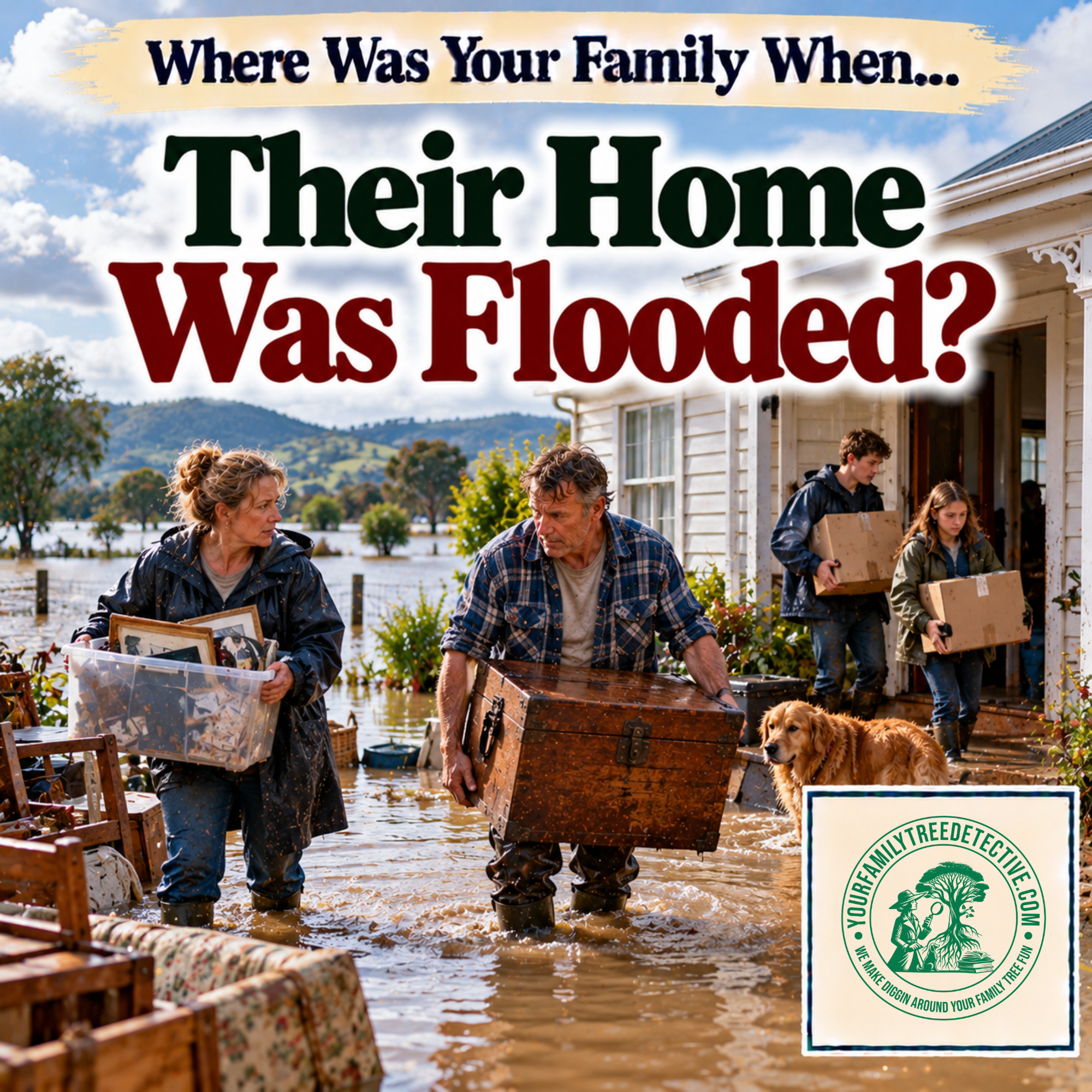
Imagine waking in the middle of the night to the sound of heavy rain pounding against the roof, only to discover that water is already creeping beneath your front door. Within hours, the familiar rooms of your family home are filled with muddy water, treasured possessions are floating across the floor, and everyone is desperately trying to save what they can. Family photographs, important documents, furniture, and keepsakes collected over generations are suddenly at risk of being destroyed. Have you ever wondered whether your ancestors experienced a devastating flood, and how that single event might have changed the course of your family's history?
Throughout history, floods have forced families to abandon their homes, rebuild their lives, and sometimes relocate permanently to safer communities. Before modern flood warning systems, emergency services, and reliable weather forecasting, families often had little time to prepare when rivers overflowed, heavy rainfall overwhelmed drainage systems, or coastal storms pushed water inland. In rural communities, rising floodwaters could isolate entire households, destroy crops, sweep away livestock, and make roads and bridges impassable for days or weeks. Imagine your great-grandparents watching the water rise around their home, wondering whether the house they had worked so hard to build would survive the night.
When floodwaters entered a family home, the immediate priority was protecting loved ones and finding somewhere safe to shelter. Families sometimes climbed onto rooftops, escaped in boats, or sought refuge with neighbours and relatives living on higher ground while waiting for conditions to improve. Those who had time to gather belongings might have rescued family Bibles, photographs, important documents, jewellery, or other treasured possessions before leaving everything else behind. Sadly, many families lost irreplaceable records and heirlooms, which may explain why certain branches of a family tree have missing photographs, documents, and personal histories.
One of the most remarkable aspects of historical floods is the way communities often came together to help families recover from devastating losses. Neighbours shared food, clothing, temporary accommodation, and whatever supplies they could spare, while volunteers helped clear mud, repair damaged buildings, and recover possessions. For some families, returning home meant months of cleaning, rebuilding, and replacing furniture, while others discovered that their houses were no longer safe or practical to occupy. These experiences could lead to unexpected moves, changes in employment, and new beginnings that influenced where future generations of the family would eventually settle.
For family historians, discovering that an ancestor's home was flooded can provide valuable clues about unexplained relocations, lost possessions, and significant changes in family circumstances. Historical newspapers often reported major floods, identifying affected streets, damaged properties, rescue efforts, and sometimes the names of families who experienced the disaster firsthand. Local council records, historical photographs, diaries, letters, property documents, and family recollections may help establish where an ancestor was living and how the flood affected their household. By combining these records with personal stories, we can better understand the challenges our ancestors faced, the communities that supported them, and the determination it took to rebuild their lives.
Today's Family Tree Challenge: Ask a family member whether anyone in your family has experienced a flood that damaged their home or forced them to leave. Find out when and where it happened, what possessions were lost or saved, and how the family managed the aftermath. Search historical newspapers, photographs, letters, and local archives for information about the flood and its impact on the community. Record your discoveries, including any stories of resilience or unexpected kindness, and preserve this important chapter of your family's history for future generations.
Let us know in the comments below about the stories you uncover.
Podcast Replay: https://youtube.com/live/Kwt-dA9tJvo?feature=share
Ready to uncover your own family story?